


- Room 202, Building 7, No. 125, Yongjun Road, Dalingshan Town, Dongguan City.
.webp "Qiying Urethane casting plastic parts (1)")
Position:
/
Urethane casting: Process,Applications, Materials and Difference to Vacuum Casting
2026-09-17 16:57:29
What is Urethane Casting?
Urethane casting, also known as polyurethane casting, is a manufacturing process used to create plastic and rubber-like parts by pouring liquid polyurethane into a mold. It is commonly used for functional prototypes, product testing, and low-volume production.
This process allows manufacturers to replicate complex geometries, fine details, and various material properties without the high tooling costs associated with injection molding. As a result, urethane casting has become an essential solution in modern product development.
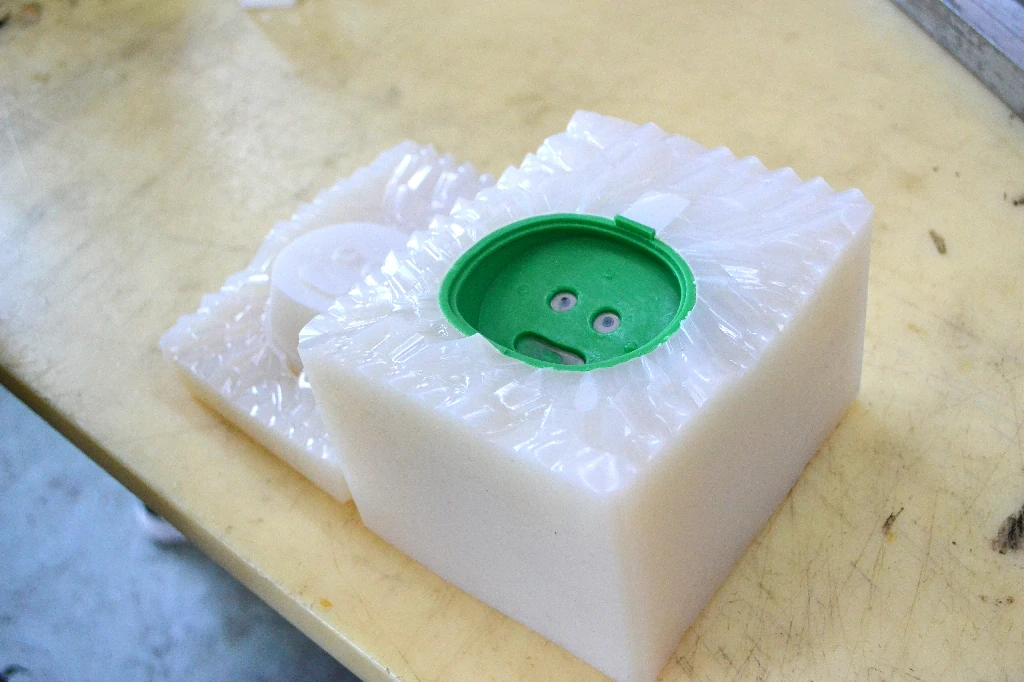
Urethane Casting Process
The urethane casting process typically involves several key steps:
1. Master Model Creation
A high-quality master model is first produced using CNC machining or 3D printing. This master determines the final part’s shape, dimensions, and surface finish.
2. Silicone Mold Making
Liquid silicone is poured over the master model and cured to form a flexible mold. Once cured, the mold is cut open and the master is removed.
3. Material Mixing and Casting
Polyurethane resin is mixed and poured into the silicone mold. The mold may be placed in a vacuum chamber to remove air bubbles and ensure accurate detail reproduction.
4. Curing and Demolding
After curing, the part is removed from the mold and undergoes finishing processes such as trimming, painting, or surface treatment.
A single silicone mold can usually produce 15–30 parts depending on geometry and material.
Common Materials Used in Urethane Casting
Urethane casting supports a wide range of polyurethane materials that simulate real production plastics.
Rigid Plastics
- ABS-like materials
- PC-like materials
- Acrylic-like materials
Flexible Materials
- Rubber-like polyurethane
- TPU-like elastomers
Specialty Materials
- Transparent resins
- Heat-resistant materials
- Flame-retardant materials
These materials allow engineers to test function, strength, and appearance before moving to mass production.
Applications of Urethane Casting
Urethane casting is widely used across industries for both prototyping and low-volume production.
Consumer Electronics
- Housings and enclosures
- Wearable device components
- Transparent covers
Automotive
- Interior trim parts
- Functional test components
- Lighting prototypes
Medical Devices
- Device housings
- Ergonomic testing models
- Small batch functional parts
Industrial Equipment
- Custom enclosures
- Connectors and brackets
- Demonstration models
This process is ideal when high-quality appearance and functional testing are required.
Advantages of Urethane Casting
- Low tooling cost compared to injection molding
- Fast production turnaround
- Excellent surface finish and detail
- Wide range of material properties
- Ideal for low-volume production and prototypes
- Easy to modify designs between batches
Difference Between Urethane Casting and Vacuum Casting
Many people use the terms urethane casting and vacuum casting interchangeably, but they are slightly different.
Urethane Casting refers to the use of polyurethane materials to produce parts using silicone molds.
.webp)
(Urethane Casting Process Parts)
Vacuum Casting refers to the process method where casting is performed in a vacuum environment to remove bubbles and improve quality.
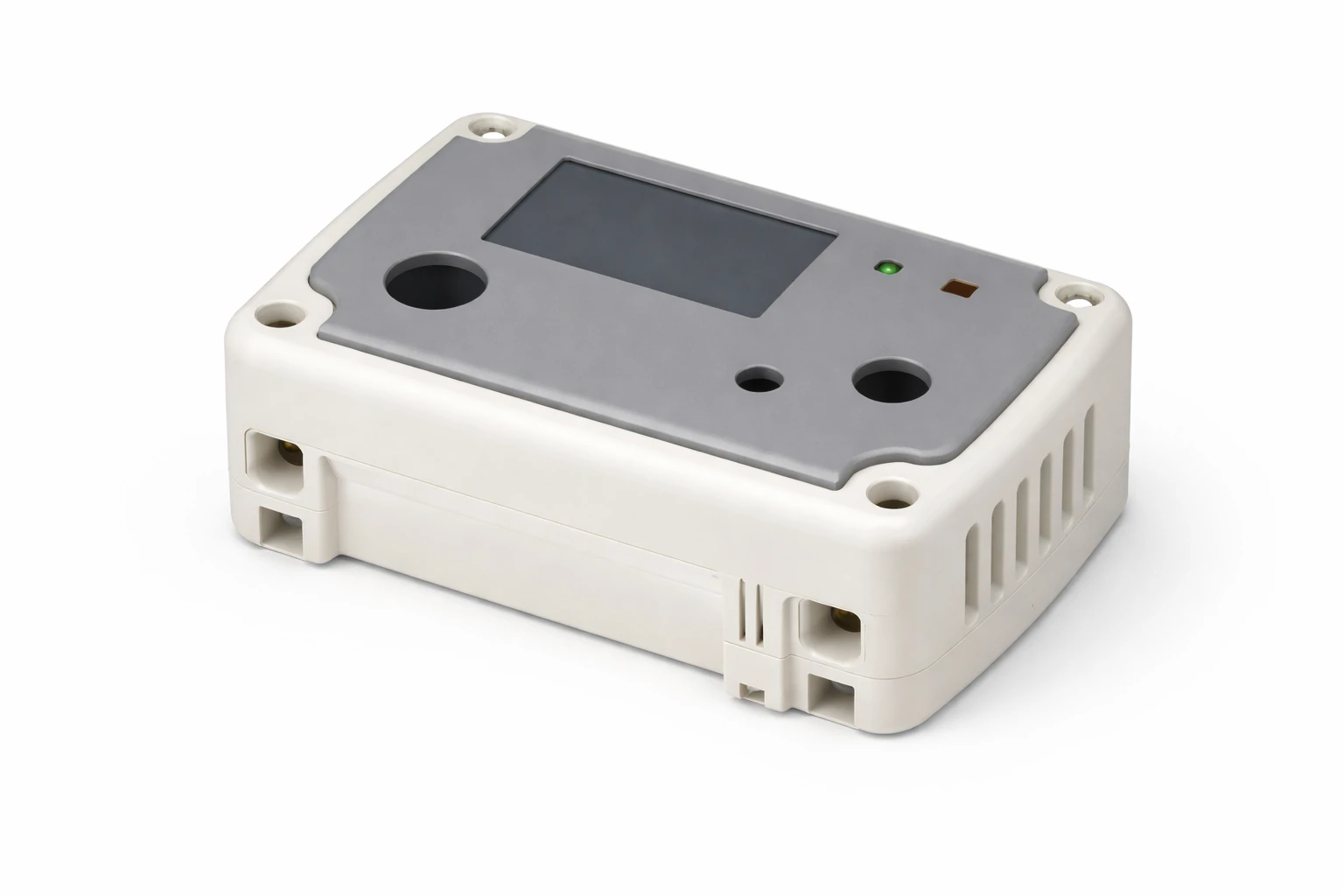
(Vacuum Casting Process Parts)
Key Differences
Process
- Urethane casting focuses on material type (polyurethane).
- Vacuum casting focuses on the production method (vacuum environment).
Material
- Urethane casting specifically uses polyurethane resins.
- Vacuum casting can use different casting resins, though polyurethane is most common.
Quality
- Vacuum casting improves surface finish and reduces air bubbles.
- Urethane casting ensures production-like material properties.
In practice, most modern urethane casting is performed using vacuum casting equipment, so the two processes often work together.
When to Choose Urethane Casting
Urethane casting is the best choice when:
- You need 10–200 parts
- Injection mold cost is too high
- Product is still in development
- Appearance and function testing are required
- Market testing is needed before mass production
It bridges the gap between prototype and full-scale manufacturing.