


- Room 202, Building 7, No. 125, Yongjun Road, Dalingshan Town, Dongguan City.
Position:
/
Injection Molding vs 3D Printing: Which is Better for Your Project?
2026-09-17 16:55:37
Choosing the right manufacturing process is one of the most important decisions during product development. Among the most common plastic manufacturing methods today are injection molding and 3D printing. Both technologies offer unique advantages, but they are designed for different applications, production volumes, and project goals.
Understanding the differences between injection molding vs 3D printing can help companies reduce costs, improve product quality, and shorten development cycles.
In this guide, we compare these two manufacturing methods in terms of cost, speed, materials, scalability, precision, and ideal applications.
What is Injection Molding?
Injection molding is a manufacturing process where molten plastic is injected into a custom mold cavity under high pressure. Once cooled, the part solidifies and is ejected from the mold.
This process is widely used for producing high-volume plastic parts with excellent consistency and repeatability.
Injection molding is commonly used in industries such as:
Automotive
Consumer electronics
Medical devices
Home appliances
Industrial equipment
Because molds are required, injection molding typically involves higher upfront tooling costs but lower per-part costs in mass production.
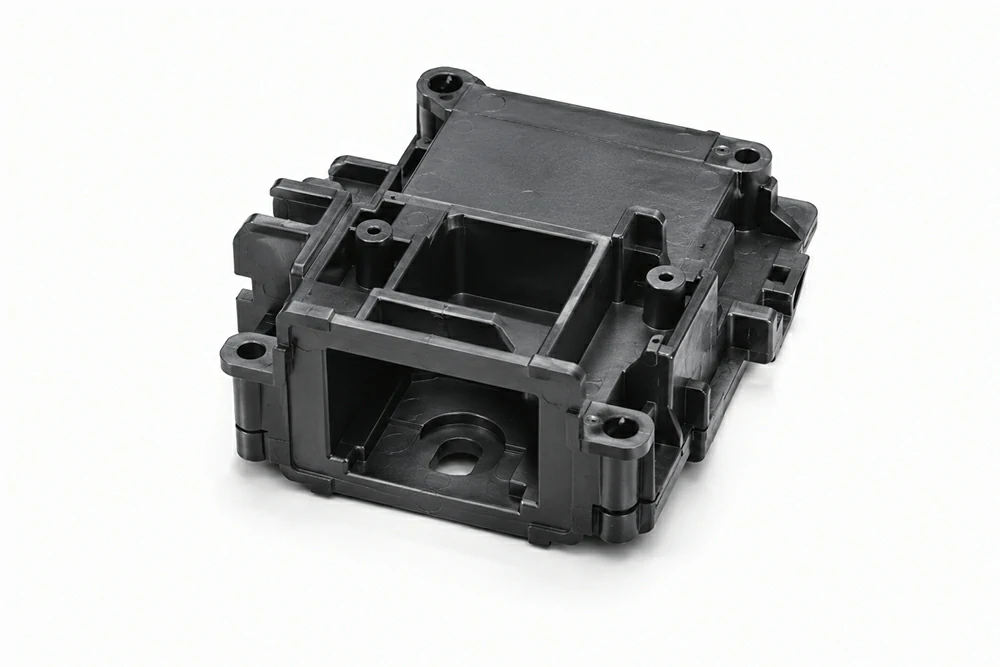
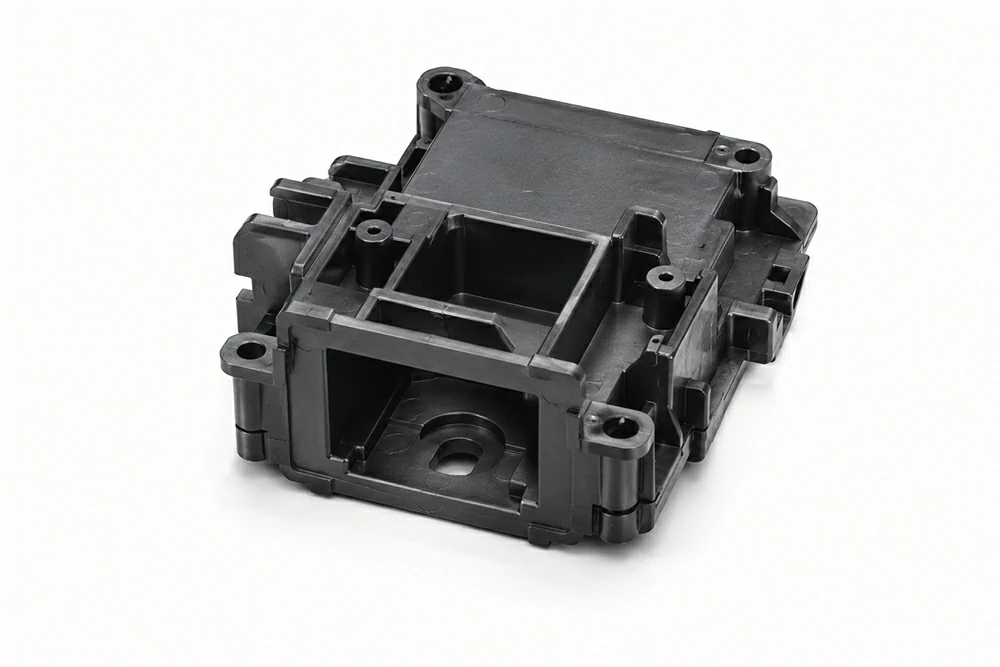
(Qiying Injection Molding Parts Simple)
What is 3D Printing?
3D printing, also known as additive manufacturing, creates parts layer by layer directly from a digital CAD file.
Unlike injection molding, 3D printing does not require tooling, making it ideal for rapid prototyping and low-volume production.
Common 3D printing technologies include:
SLA (Stereolithography)
SLS (Selective Laser Sintering)
FDM (Fused Deposition Modeling)
3D printing is widely used for:
Concept models
Functional prototypes
Product validation
Custom low-volume parts
Because no mold is needed, 3D printing allows faster design changes and shorter development cycles.
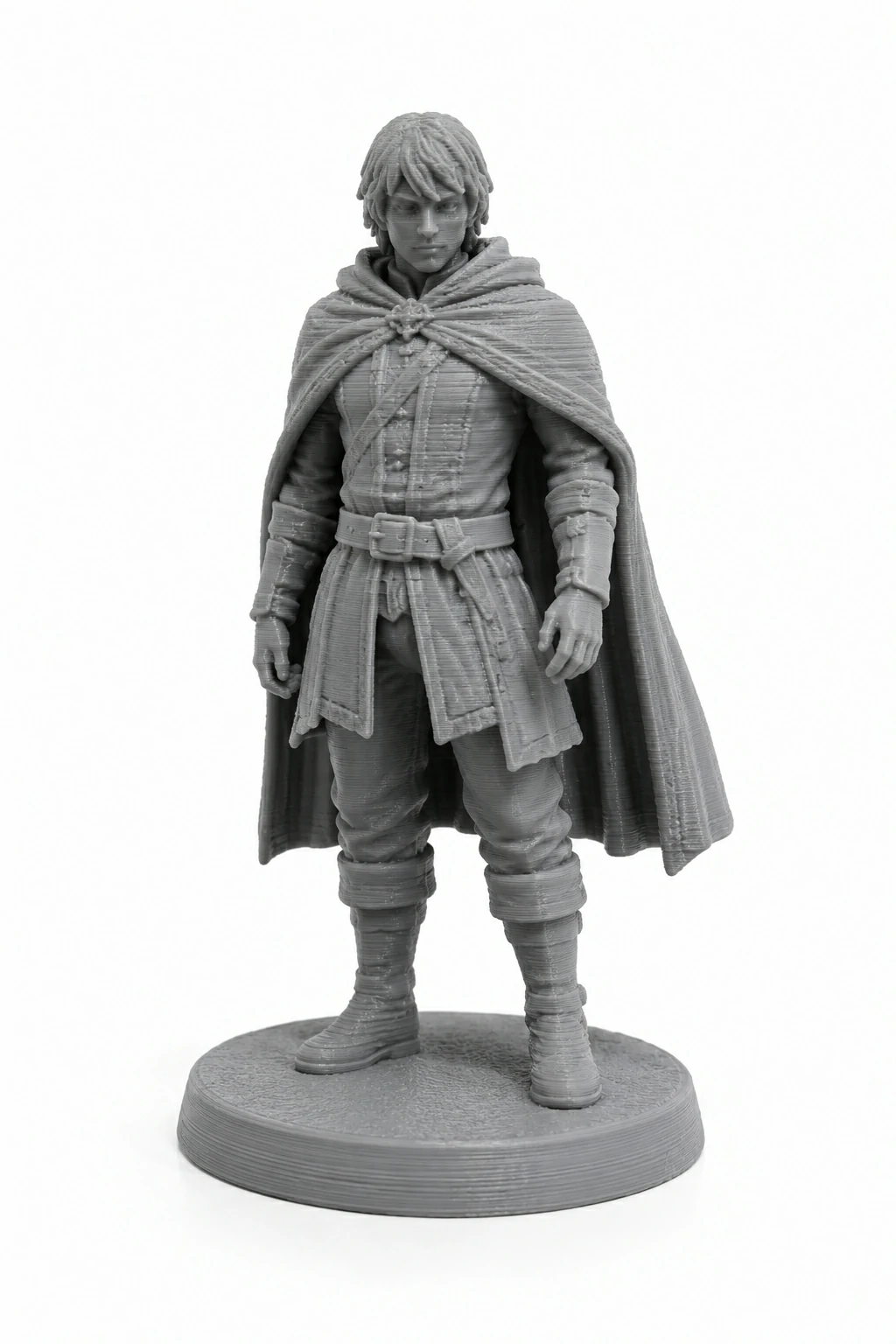
(Qiying 3D Printing Parts Simple)
Injection Molding vs 3D Printing: Key Differences
Production Volume
One of the biggest differences between injection molding and 3D printing is production scalability.
Injection Molding
Injection molding is best suited for low-to-high volume production. Once the mold is completed, manufacturers can produce thousands or even millions of identical parts efficiently.
The cost per part becomes very low at higher quantities.
3D Printing
3D printing is more suitable for low-volume production and prototyping. Since each part is printed individually, production speed is slower for large quantities.
For small batches, however, 3D printing can be highly cost-effective because there is no tooling investment.
Tooling Cost
Tooling cost is another major consideration when selecting a manufacturing process.
Injection Molding
Injection molding requires custom molds, which can range from hundreds to thousands of dollars depending on complexity, material, and mold life.
Although tooling costs are high initially, the long-term production cost is much lower for large orders.
3D Printing
3D printing requires no molds or tooling. This significantly reduces startup cost and makes it ideal for rapid product development and prototype testing.
For startups and early-stage projects, this flexibility is extremely valuable.
Production Speed
Speed is critical in modern product development.
3D Printing for Rapid Prototyping
3D printing allows parts to be produced within hours or days directly from CAD files. Engineers can quickly modify designs and print updated versions without additional tooling.
This makes 3D printing one of the fastest methods for prototype development.
Injection Molding for Mass Production
Injection molding requires time to manufacture molds before production begins. However, once tooling is completed, production speed becomes extremely fast.
Injection molding machines can produce large quantities of parts continuously with high efficiency.
Surface Finish and Part Quality
Both manufacturing methods can produce high-quality parts, but there are important differences.
Injection Molding Advantages
Injection molded parts typically offer:
Excellent surface finish
High dimensional consistency
Strong mechanical properties
Better repeatability
Injection molding is ideal for production-ready consumer products requiring professional appearance and durability.
3D Printing Advantages
3D printing is excellent for complex geometries and rapid design validation. However, depending on the printing technology, visible layer lines may appear on the surface.
Additional post-processing may be required to achieve smooth finishes.
Material Options
Material selection plays an important role in manufacturing decisions.
Injection Molding Materials
Injection molding supports a wide range of engineering plastics, including:
ABS
PC
Nylon
PP
POM
TPU
These materials provide strong mechanical performance and long-term durability.
3D Printing Materials
3D printing materials continue to improve, but options are generally more limited compared to injection molding.
Common materials include:
Resin
PLA
ABS-like plastics
Nylon powders
While many 3D printed materials are suitable for prototyping, they may not always match the performance of molded production plastics.
Design Flexibility
3D Printing Offers Maximum Design Freedom
One of the biggest advantages of 3D printing is the ability to create highly complex geometries without tooling limitations.
Internal channels, lightweight lattice structures, and custom shapes can be produced easily.
Injection Molding Requires Design for Manufacturability
Injection molded parts must follow mold design rules, including:
Draft angles
Wall thickness consistency
Gate locations
Mold release considerations
Although injection molding supports complex parts, designs often require optimization for manufacturability.
When to Choose 3D Printing
3D printing is usually the better choice when:
You need prototypes quickly
Production quantity is low
Frequent design changes are expected
Tooling budget is limited
Complex geometries are required
For startups and product development teams, 3D printing significantly accelerates innovation.
When to Choose Injection Molding
Injection molding is generally better when:
Production volume is high
Low per-part cost is important
Excellent surface finish is required
Consistent quality is critical
Production-grade materials are neededInjection molding is ideal for commercial production and scalable manufacturing.
Combining Injection Molding and 3D Printing
In many projects, companies actually use both technologies together.
A common workflow includes:
Using 3D printing for early prototypes
Testing product functionality and design
Optimizing the design
Transitioning to injection molding for production
This approach minimizes development risk while reducing overall manufacturing cost.
Both injection molding and 3D printing are powerful manufacturing technologies, but each serves different purposes.
3D printing offers unmatched flexibility and speed for prototyping and low-volume production, while injection molding provides superior efficiency and cost advantages for large-scale manufacturing.
Choosing the right process depends on your project requirements, production volume, budget, material needs, and timeline.
For many companies, the best solution is to combine both technologies during different stages of product development to achieve the optimal balance of speed, quality, and cost.