


- Room 202, Building 7, No. 125, Yongjun Road, Dalingshan Town, Dongguan City.
Position:
/
China Rapid Prototyping Services: CNC Machining, 3D Printing and Injection Molding
2026-09-17 16:26:44
In today's competitive manufacturing industry, speed, precision, and cost efficiency are critical to bringing new products to market. Many companies around the world rely on China rapid prototyping services to develop prototypes, test designs, and move quickly toward mass production.
China has become one of the most important global hubs for China has become one of the most important global hubs for custom parts manufacturing, offering advanced machining technology, experienced engineers, and highly competitive pricing. Qiying is one of the leading figures among them. Whether you need CNC machined parts, 3D printed prototypes, or injection molded components, working with a reliable Qiying prototyping manufacturer can significantly reduce development time and cost.
What is Rapid Prototyping?
Rapid prototyping is a manufacturing approach used to quickly create physical parts from digital designs. Engineers and product designers use prototypes to verify form, fit, and function before entering full-scale production.
Compared with traditional manufacturing methods, rapid prototyping significantly shortens product development cycles. Parts can often be produced in just a few days, allowing companies to test, improve, and optimize designs much faster.
Typical rapid prototyping technologies include:
- CNC machining
- 3D printing
- Vacuum casting
- Sheet metal fabrication
- Injection molding
These processes allow manufacturers to produce parts with high accuracy, complex geometries, and excellent material properties.
CNC Machining Services in Qiying
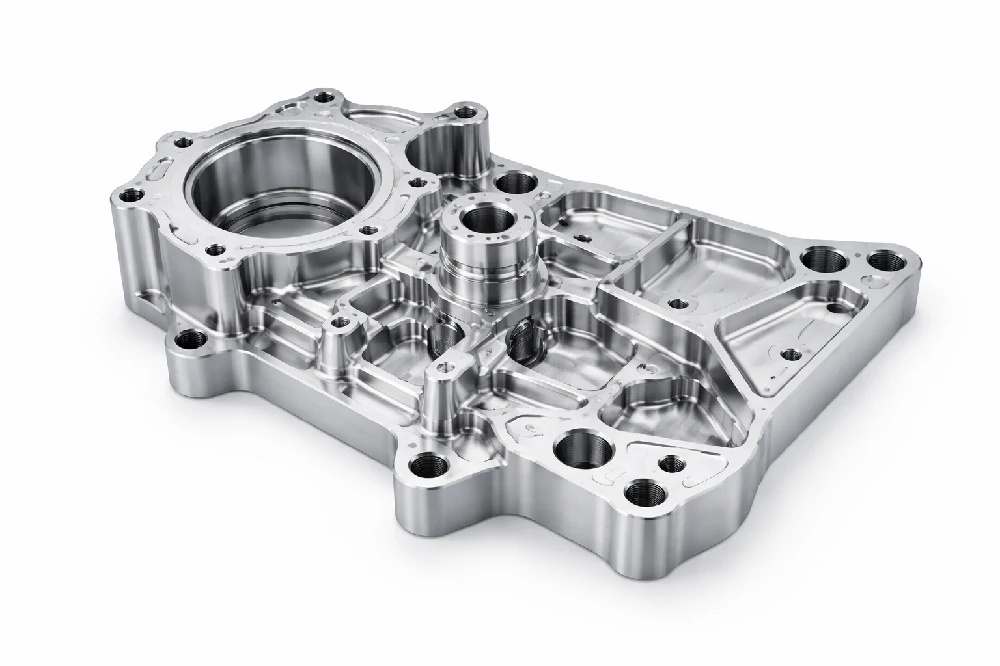
(Qiying CNC Machining for Auto Parts)
Modern CNC machining services include multiple technologies that allow manufacturers to produce highly complex and precise components.
3, 4 & 5 Axis CNC Machining
Multi-axis machining centers significantly expand the capabilities of traditional CNC machines.
3-axis CNC machining is the most common machining method. The cutting tool moves along three linear axes (X, Y, and Z), making it suitable for most standard parts and simple geometries.
4-axis CNC machining adds a rotational axis, allowing the workpiece to rotate during machining. This makes it easier to machine parts from multiple sides without repositioning.
5-axis CNC machining is the most advanced solution. It allows simultaneous movement along five axes, enabling the production of highly complex shapes, deep cavities, and intricate surfaces. This technology is widely used in industries such as aerospace, medical equipment, and high-end automotive manufacturing.
Multi-axis machining improves precision, reduces setup time, and increases production efficiency.
CNC Milling
CNC milling is one of the most common CNC machining processes. In this method, rotating cutting tools remove material from a stationary workpiece.
CNC milling machines can produce a wide range of geometries including:
- flat surfaces
- slots and pockets
- complex contours
- threads and precision holes
Milling is ideal for manufacturing complex aluminum parts, mechanical components, housings, and structural parts used in various industries.
CNC Turning
CNC turning is a machining process where the workpiece rotates while a stationary cutting tool removes material. This process is particularly suitable for cylindrical or round components.
Typical turned parts include:
- shafts
- bushings
- connectors
- threaded components
- precision mechanical parts
CNC turning provides excellent dimensional accuracy and surface finish, making it ideal for producing high-volume precision parts.
Swiss Machining
Swiss machining, also known as Swiss-type CNC turning, is a specialized machining technology designed for manufacturing very small, high-precision parts.
In Swiss machining, the workpiece is supported by a guide bushing close to the cutting tool, which significantly reduces vibration and improves machining accuracy.
This process is widely used for producing:
- medical device components
- miniature electronic parts
- precision pins and connectors
- aerospace micro components
Swiss machining is particularly effective for parts with small diameters and long slender geometries.
Electrical Discharge Machining (EDM)
Electrical Discharge Machining (EDM) is a non-contact machining process used to cut extremely hard materials or create very complex shapes that are difficult to achieve with traditional cutting tools.
EDM works by using electrical sparks to erode material from the workpiece.
Common EDM methods include:
- Wire EDM for cutting precise profiles
- Sinker EDM for producing deep cavities and molds
EDM is widely used in mold manufacturing, aerospace components, and high-precision tooling applications.
Applications of CNC Machining
Because of its versatility and precision, CNC machining is widely used across many industries, including:
- Automotive
- Aerospace
- Robotics
- Electronics
- Medical devices
- Industrial equipment
From prototype development to final production, CNC machining plays a critical role in modern manufacturing.
Many companies choose Qiying CNC machining services because Qiying factories combine advanced equipment, skilled technicians, and highly competitive pricing, making them an ideal partner for global manufacturing projects.
3D Printing for Rapid Prototyping
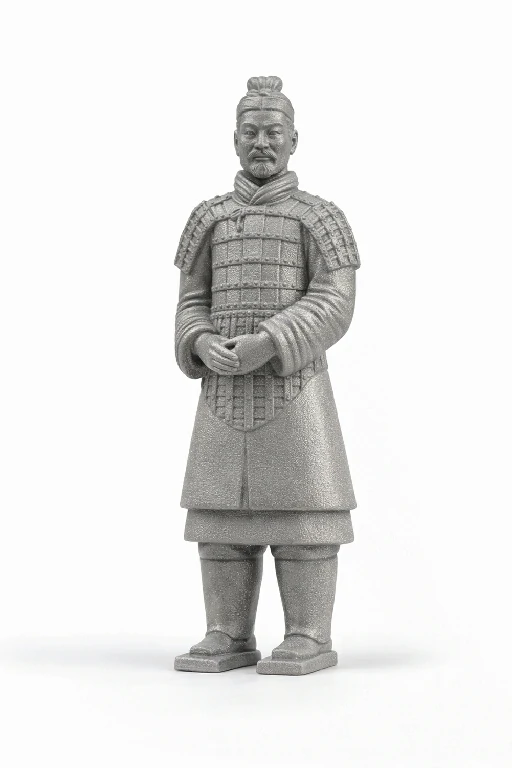
(Qiying MJP 3D Printing Terracotta Army Crafts)
3D printing, also known as additive manufacturing, is another important rapid prototyping technology. Unlike CNC machining, which removes material, 3D printing builds parts layer by layer directly from digital models.
This process allows engineers to create complex shapes that would be difficult or impossible using traditional machining.
Key Benefits of 3D Printing
Fast prototype developmentAbility to produce complex geometriesLow tooling costIdeal for concept models and design verification
Common 3D printing technologies include:
- SLA (Stereolithography)
- SLS (Selective Laser Sintering)
- FDM (Fused Deposition Modeling)
- Direct Metal Laser Sintering (DMLS)
- MJF (Multi Jet Fusion)
3D printing is often used during the early stages of product development before moving to CNC machining or injection molding.
Injection Molding for Low Volume Manufacturing
Injection molding is typically associated with mass production. However, it can also be used for low volume manufacturing once the design has been finalized.
With rapid tooling technology, manufacturers can create molds faster and at lower cost than traditional tooling methods.
Benefits of Low Volume Injection Molding
Consistent part qualityExcellent surface finishSuitable for complex plastic componentsCost-effective for medium production quantities
Industries that frequently use injection molded parts include consumer electronics, medical devices, automotive components, and household products.
Many companies begin with CNC prototypes and then transition to injection molding when production volume increases.
Why Choose a China Custom Parts Manufacturer?
There are several reasons why global companies choose Chinese suppliers for prototype and manufacturing services.
Competitive Pricing
China has a well-developed manufacturing supply chain, which allows factories to source materials and components efficiently. This results in lower production costs compared to many Western countries.
Advanced Manufacturing Equipment
Modern Chinese manufacturers operate advanced CNC machining centers, precision inspection equipment, and automated production lines.
Fast Production Lead Time
Rapid prototyping companies in China often provide very short lead times. Simple CNC machined parts can sometimes be completed within 3–5 days.
Flexible Production
Many Chinese factories support low volume production without strict minimum order quantities, which is ideal for startups and product development teams.
Quality Control and Manufacturing Standards
Reliable Chinese manufacturers implement strict quality control procedures to ensure consistent product quality.
Typical quality management practices include:
Material inspection before productionIn-process dimensional inspectionCMM measurement for precision partsSurface finish inspectionFinal quality inspection before shipment
Many professional manufacturers are also certified under international standards such as ISO 9001, ensuring that their production systems meet global quality requirements.
Choosing the Right Rapid Prototyping Partner
Selecting the right manufacturing partner is critical for successful product development. When evaluating a supplier, consider the following factors:
Manufacturing capabilitiesEngineering experienceQuality control systemCommunication efficiencyProduction lead timeCustomer service and technical support
A reliable supplier should also provide design for manufacturability (DFM) feedback to help optimize your parts for production.
Rapid prototyping plays a crucial role in modern product development. Technologies such as CNC machining, 3D printing, and injection molding allow companies to quickly transform ideas into physical products.
Working with an experienced Qiying rapid prototyping manufacturer provides access to advanced manufacturing capabilities, competitive pricing, and fast turnaround times.
Whether you need prototype parts for testing or low-volume production for market launch, partnering with a professional Chinese manufacturer can significantly accelerate your product development process.